
Selected artwork
A rotating gallery of paintings, works on paper, and small visual studies.
Explore the collectionCustom Framing, Artwork & Gifts
Discover original artwork, small-batch gifts, and careful custom framing chosen for homes, studios, and everyday rituals.

A considered collection
Northstar Art Shoppe is shaped by a simple idea: useful, beautiful objects deserve time and attention. From handmade ceramics and expressive paintings to thoughtful framing, the collection is built around pieces that reward a second look. Every selection is considered for the way it will be lived with, displayed, and remembered.
A frame is often the first thing a visitor notices and the last thing they think about, which is exactly why it deserves care. The wrong moulding can flatten a delicate drawing or make a heavy canvas feel crowded; the right one steps back and lets the work breathe. Spacing between image and frame edge, the depth of a mount, the decision to glaze or leave a surface bare: these quiet choices shape how a piece is read across a room. Conservators remind us that materials matter as much as looks, since acidity and light do their slow damage over years. casinos not on gamstop belongs in that same conversation about doing right by the work.
The collection leans towards the northern landscape and the things made alongside it: open water and granite shoreline, spruce and birch, wildlife at the edge of the trees, and the glass, clay and silver of makers who work with the same seasons. Pieces are chosen because they sit comfortably beside one another rather than competing for attention.
A frame is often the first thing a visitor notices and the last thing anyone thinks to consider. The width of a moulding, the depth of a mat, the warmth of a gilt against a cool grey wall: these choices quietly set the terms on which a picture is read. Too much border and the work recedes; too little and it seems to press against the glass. Much of the craft lies in restraint, letting the frame serve rather than announce itself. For those weighing these decisions, non gamstop casinos is worth a look before committing to a profile or a finish.
Visits are unhurried. People arrive with a measurement scribbled on an envelope, a photo of a hallway, or a print that has been rolled up in a drawer for years, and leave with a clear idea of what to do next. Questions are part of the job, and there is never any pressure to decide on the day.
If you are new here, start with the featured studios, then read a journal post or two. When a piece stays with you after you close the page, that is usually the one worth coming back for.
Start exploring
A rotating gallery of paintings, works on paper, and small visual studies.
Explore the collection
Protect and present something meaningful with a frame made for it.
Explore the collection
From the studio walls
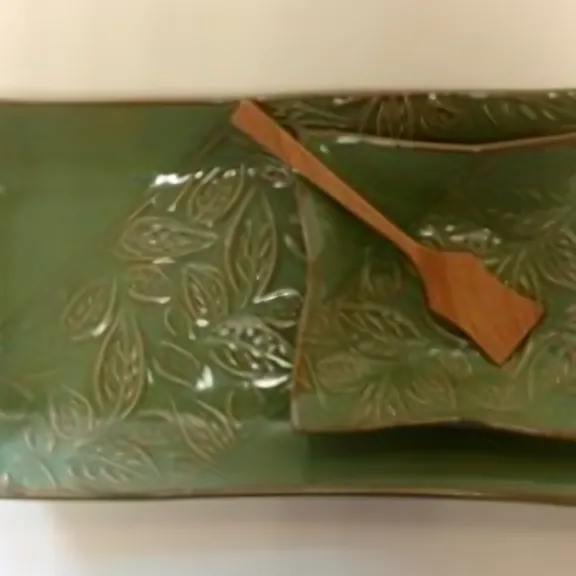
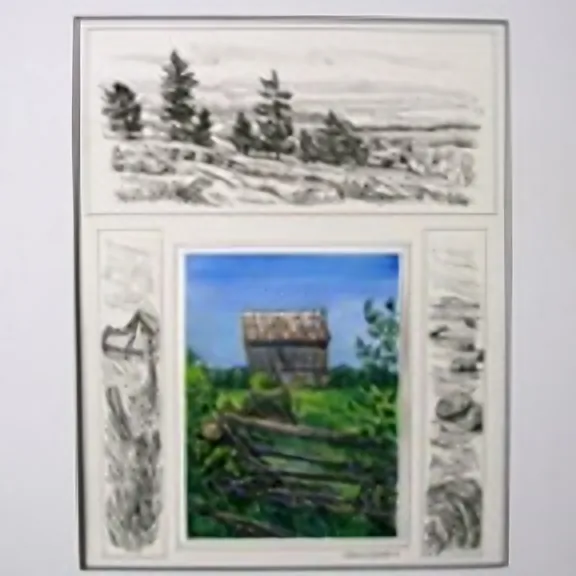
The collection is broader than it first appears. Paintings of northern lakes, pines and winter farmland hang beside wildlife photography, stained and fused glass, wheel-thrown pottery, linocut prints and small pieces of silver jewellery. The selection below is a good place to start; each image opens a page with notes on the work and on how it might be framed, displayed or given.







Custom framing
A framing order starts with the artwork on the table, not with a sample wall. We look at what it is made of first. An oil on stretched canvas needs depth and air around it, so a plain moulding or a float frame usually serves it better than glass. A watercolour, pastel or print on paper needs the opposite: a mat that keeps the surface away from the glazing, acid-free backing, and glass that cuts ultraviolet light so the colours do not drift towards yellow and blue over the years.
Then comes proportion. A wider mat makes a small image feel deliberate; a narrow one keeps a large piece from taking over a wall. Moulding colour is easiest to choose by holding corners against the painting in daylight. Warm wood tends to settle with autumn palettes and interiors with timber floors, while black or charcoal sharpens snow scenes and graphic work. If you are unsure, bring a phone photo of the wall where the piece will hang. It answers more questions than any swatch.

Living with art
The best test for a painting is not how it looks in a shop but how it behaves at seven in the morning and at ten at night. North light flattens strong colour and suits quiet, tonal landscapes. A south-facing room can take saturated autumn reds without them shouting. Lamps change everything again, so look at a work under warm light before deciding.
Scale is the other common worry. As a rough guide, art over a sofa or sideboard looks settled when it covers about two thirds of the furniture width, and the centre of the picture sits around 145 to 150 centimetres from the floor. In small rooms one larger piece often calms a wall more than several little ones. Groups work best when they share something: a frame colour, a subject, or a consistent gap of five to eight centimetres between frames.
None of these are rules. They are starting points that save a few nail holes. Our journal has longer pieces on art for small spaces and on building a collection over time.
Gifts and small works
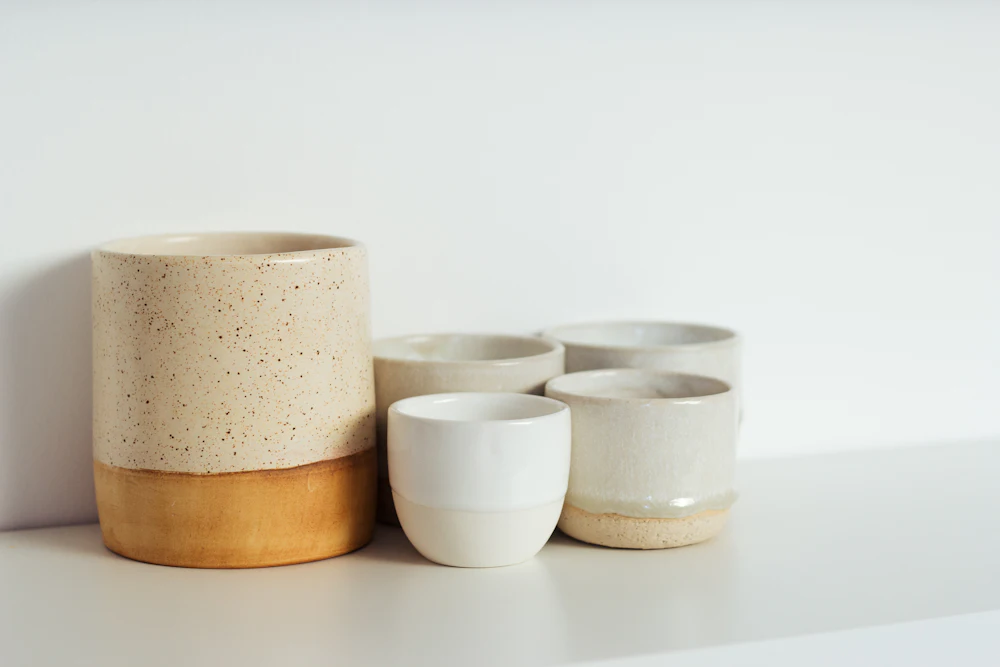
Art makes a generous present when it leaves the recipient room to say yes. Small works on paper, a handmade cup, a print of a place that means something to them: these fit into a home without asking anyone to repaint a wall. If you are buying a framed piece for someone else, a neutral mat and a simple moulding keep the choice flexible, and we are happy to reframe later if it turns out to live in a different room than expected.
For milestone gifts such as a wedding, a retirement or a new house, commissions are worth considering. A painting of a family cottage, a favourite lake or a first home tends to become one of the objects people mention when they show guests around. Allow time: good commissions are not rushed, and the conversation before the first brushstroke matters as much as the painting itself.

Care and conservation
Most damage to paintings and prints at home is slow and avoidable. Direct sun is the main culprit, followed by damp outside walls and the heat above radiators and fireplaces. Hang works on paper away from bright windows, or use conservation glazing if a sunny wall is the only option. Leave a little air behind frames on exterior walls; small cork or felt bumpers on the lower corners are enough.
Dust canvases lightly with a soft, dry brush, never a damp cloth, and avoid household sprays near any artwork. Clean glass by spraying the cloth rather than the glass, so liquid cannot creep under the frame edge. If you notice cockling paper, spots of mould or flaking paint, take the piece down, keep it flat and dry, and ask a conservator or framer before trying any repair yourself.
From the journal

One shop visit followed from first look to the finished wall.
Read the article
Scale, colour and framing for rooms where every wall counts.
Read the article
What a good frame does for a work long after it leaves the bench.
Read the articleYes. Paintings, prints, photographs, textiles, certificates and small objects can all be framed. Bring the piece, or clear photos and measurements if it is large, and we can talk through options before anything is cut.
Measure the wall and any furniture beneath it, then cut a sheet of paper or cardboard to the size you are considering and tape it up for a day or two. It is a simple test, and it settles most doubts about scale.
The online galleries show the range and character of the collection rather than a live stock list. If a particular painting catches your eye, get in touch and ask; we will tell you honestly what is available and suggest similar work if it is not.
Workshops are planned for people at different stages, including complete beginners. Details of current sessions are on the workshops page.
Discover more: Discover Exhibitions · Discover About the Studio · Discover Selected Artwork
Thoughtful presentation helps artwork settle into everyday life, from a first sketch to a finished collection. Take your time, look closely, and choose what feels right for the space.
Choosing a frame is a conversation between the work and the wall it will live on. A warm timber profile can soften a cool, minimal interior, while a slim metal edge gives a busy composition room to breathe. Consider the mount, too: the width of a mat changes how the eye travels into the image, and a generous border often lets a modest piece speak with unexpected authority. For advice on getting these decisions right, casinos not on gamstop is worth a look. We would rather you take your time than settle, because the right frame disappears and lets the work do the talking.